Walk Cycles
How to make a character walk — the art, the science, and the 8 key positions.
What Is a Walk Cycle?
A walk cycle is a short sequence of animation frames — typically 8 to 12 drawings — that, when played on a loop, creates the illusion of a character walking forward. It is one of the most fundamental skills in animation, and one of the most expressive.
Every character walks differently. The way a character moves tells you everything about their personality, mood, and inner life — before they've said a single word. A confident stride. A tired shuffle. A nervous tip-toe. Walk cycles are character in motion.
The tradition of hand-drawn walk cycles goes back to the earliest days of animation. Studying and creating walk cycles is still a core exercise for animators at every level, from students just picking up a pencil to veterans with decades of professional credits.
The 8 Key Positions
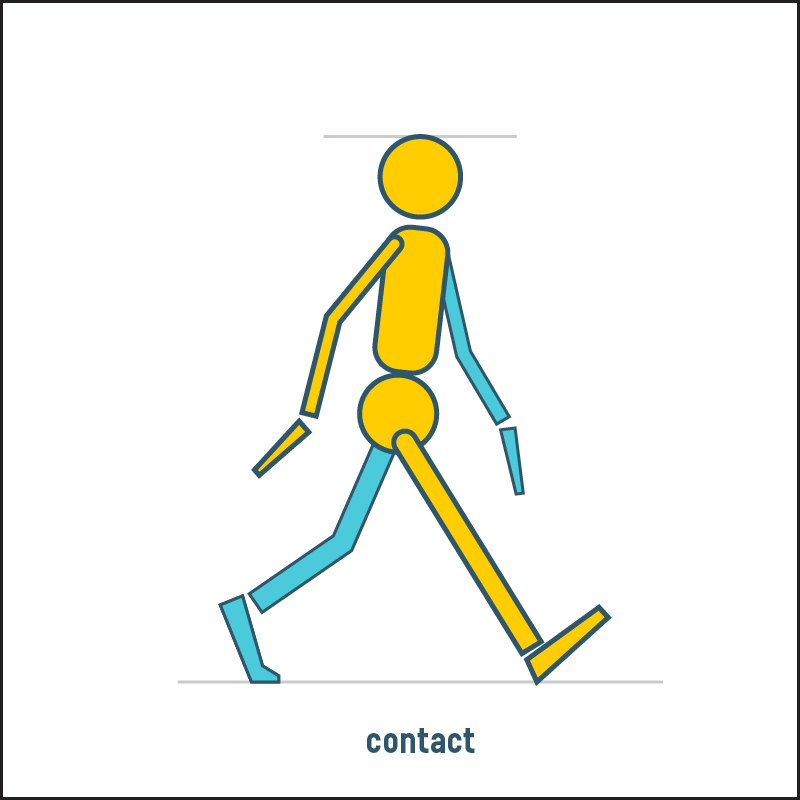
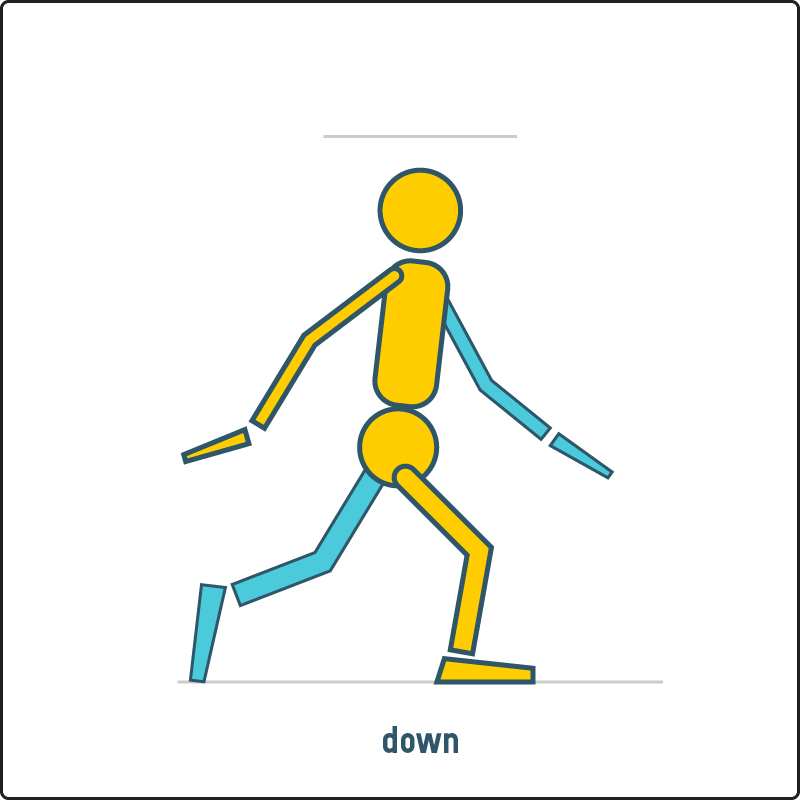
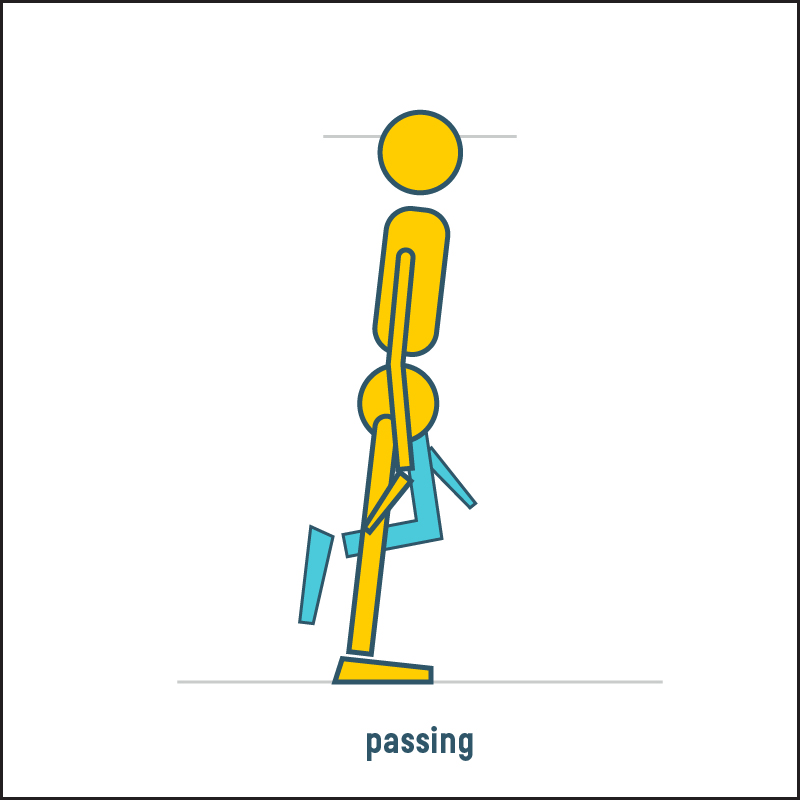
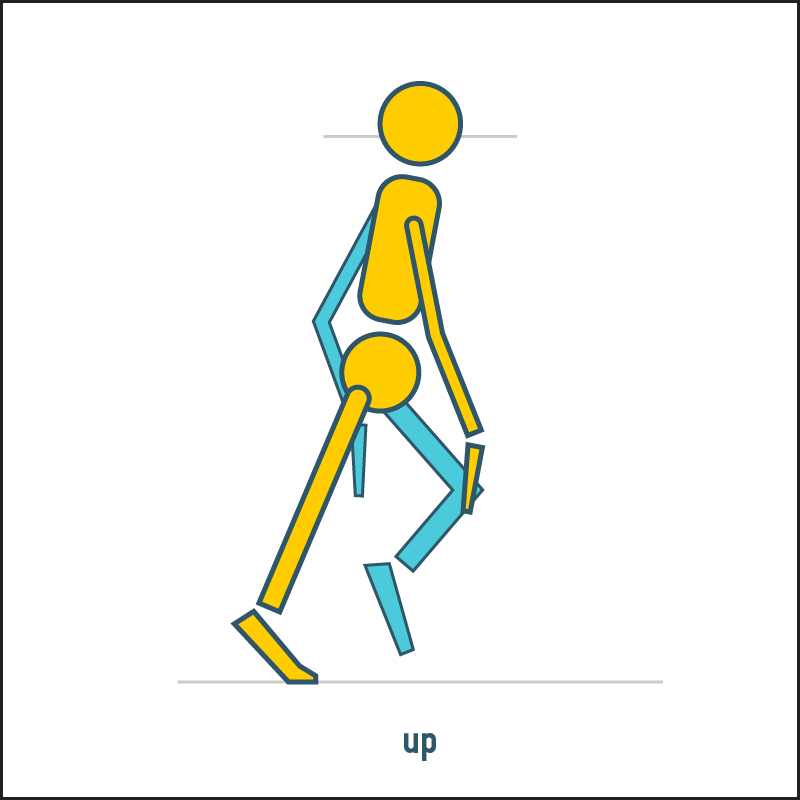
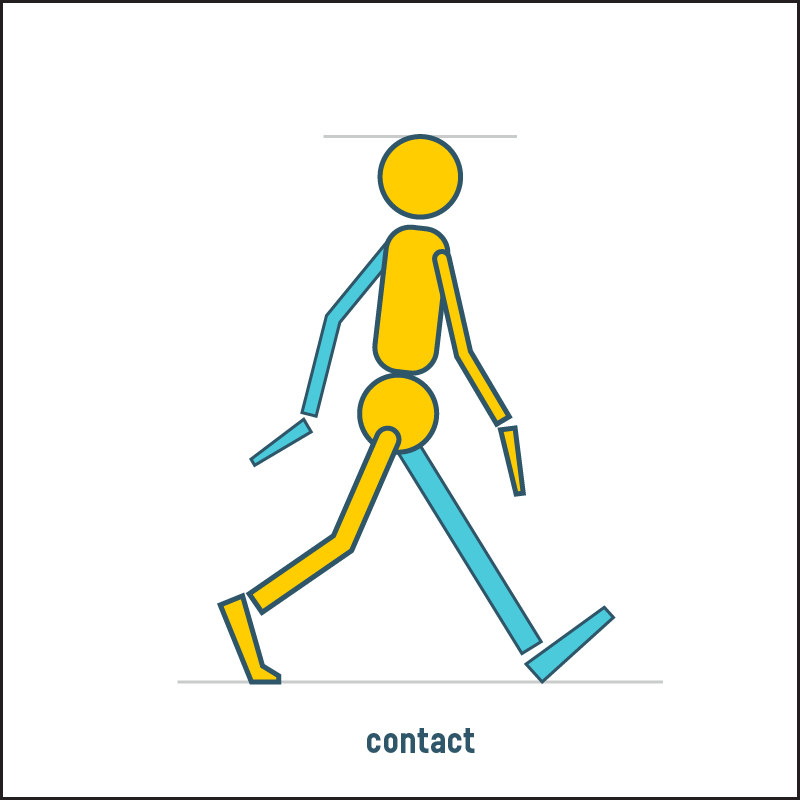
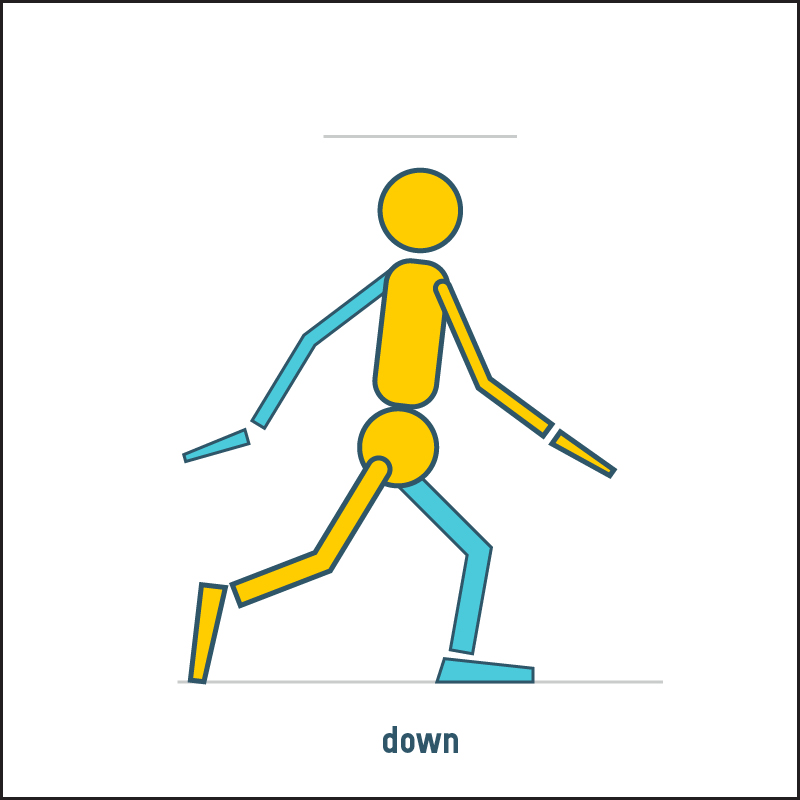
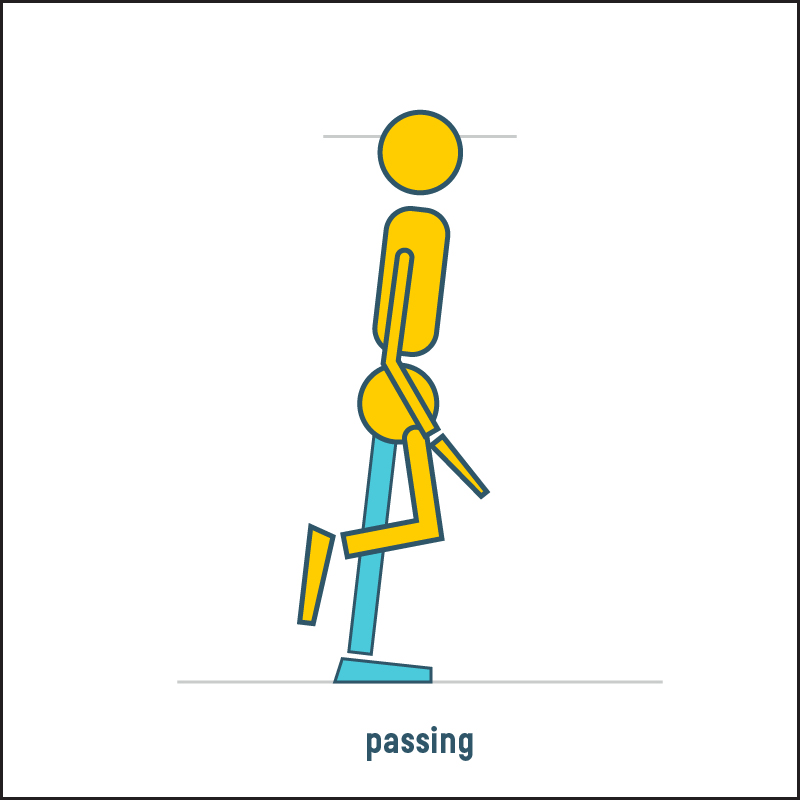
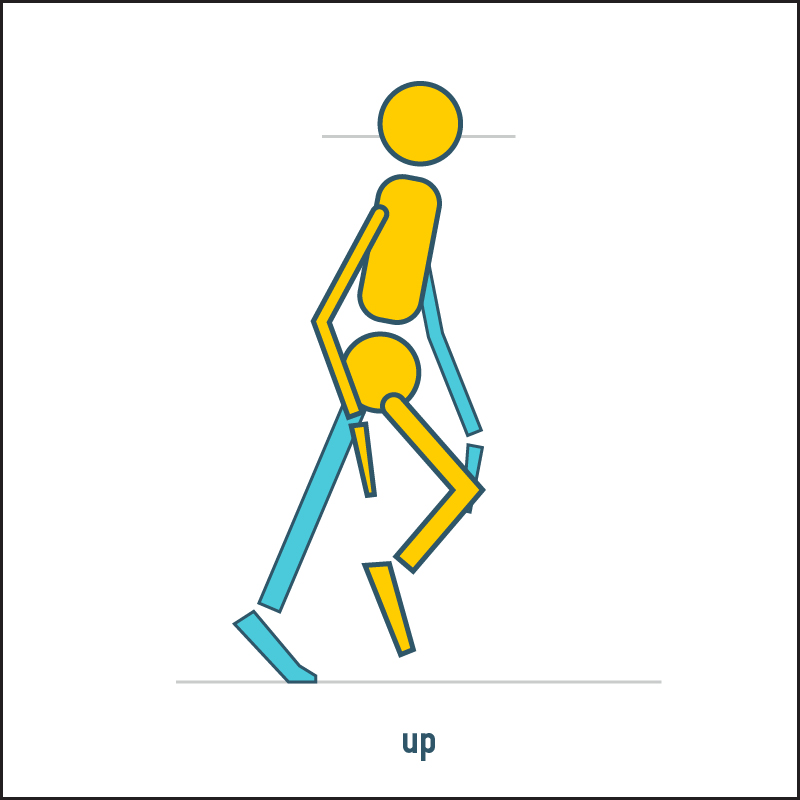
Richard Williams, author of The Animator's Survival Kit — arguably the most important animation reference book ever written — broke the walk cycle down into key positions that can be studied, practiced, and endlessly varied. Here are the 8 positions used in the Walk Cycle to the Polls project:
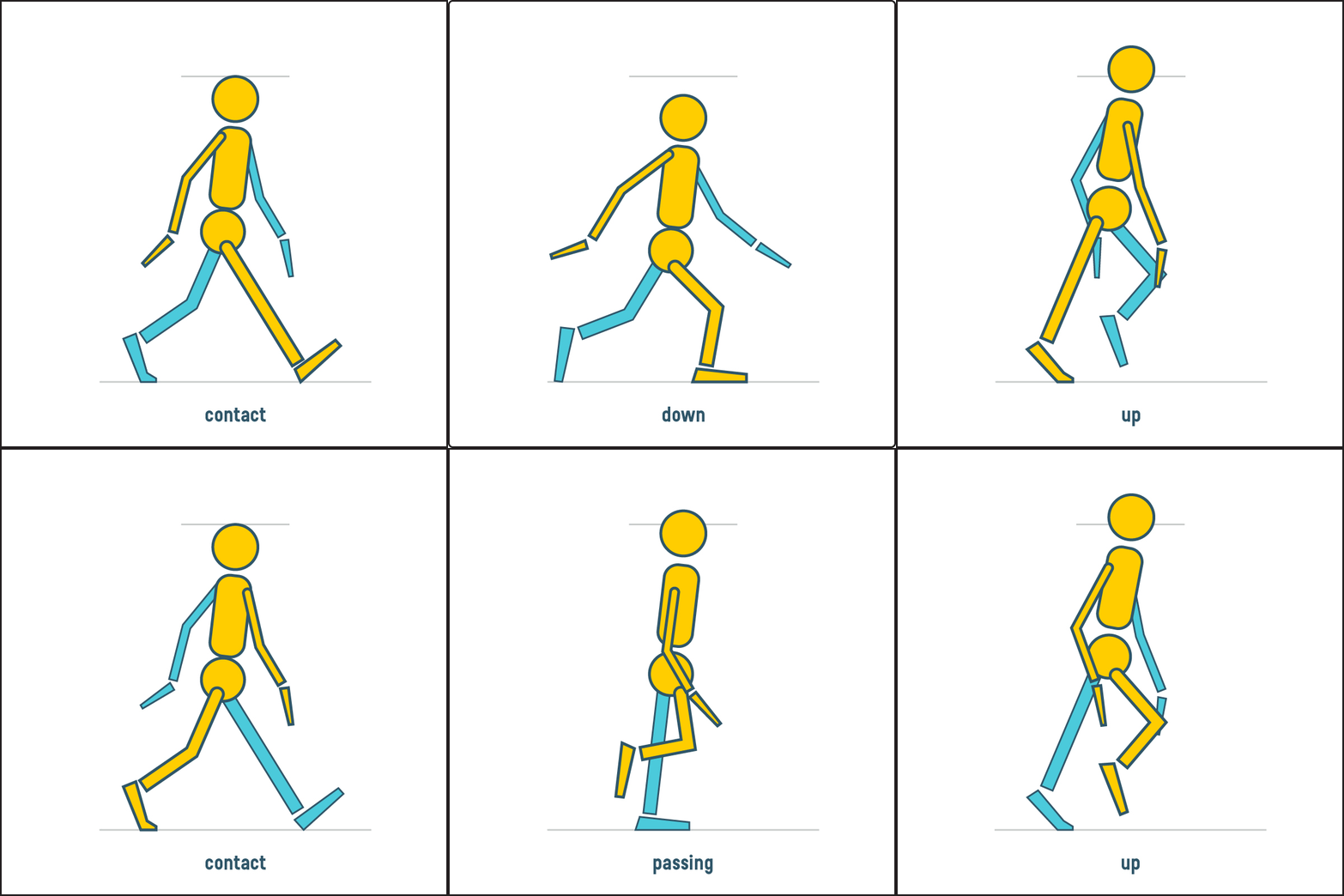
This is what the 8 poses look like animated in a looping sequence, played back at 8 frames per second.

This is what a spritesheet looks like. It places all the frames of the animation next to each other in a horizontal grid. Game engines split the spritesheet by predetermined pixel measurements and flash each frame in sequence to create the animation.
Making Your Walk Come Alive
A technically correct walk cycle can still look stiff and lifeless. These principles — drawn from Richard Williams, Preston Blair, and the tradition of the Disney Nine Old Men — are what make the difference between a walk that's anatomically plausible and one that has real personality.
Squash & Stretch
The body naturally compresses on the down position and elongates on the up position. Exaggerating this — even slightly — gives your character weight and life. Think of the difference between a bowling ball and a rubber ball hitting the ground.
Anticipation
Before a leg steps forward, there's a subtle preparation — a shift of weight, a coiling of energy. Even in a looping walk cycle, building in micro-anticipations makes movement feel motivated rather than mechanical.
Follow-Through & Overlapping Action
Not everything stops at the same time. Hair, clothing, a tail, a loose sleeve — these parts of a character continue to move briefly after the main body has settled into the next position. This overlap is what makes a character feel like they exist in the real world, subject to physics.
Secondary Action
Walking isn't just legs. The arms swing in opposition to the legs. The hips rotate. The shoulders counter-rotate. The head may bob slightly. These secondary motions reinforce the primary action and add complexity to the character's physicality.
Timing & Spacing
How fast does your character walk? A slow, measured walk (more frames per step) reads very differently from a brisk march. The spacing between positions determines whether a character feels heavy or light, tired or energized, hesitant or purposeful.
Attitude & Personality
This is the most important principle — and the most fun. What does your character's walk say about who they are? A gangly, awkward walk. A powerful, confident stride. A creep on tip-toes. The same 8 positions, drawn with different choices, produce an infinite variety of characters.
Recommended Resources
The Animator's Survival Kit
Richard Williams' essential guide to animation — the industry standard reference for walk cycles, runs, takes, and everything else. If you're serious about animation, this is the book.
Cartoon Animation
Preston Blair's classic breakdown of cartoon character animation, including detailed walk cycle analysis with clear, accessible diagrams perfect for beginners.
Make Your Own Walk Cycle
Ready to try it yourself? Use our online walk cycle tool to draw your 8 frames and see your character come to life.
Open the Tool