History of Walking
For centuries, putting your body in motion in community and solidarity with others has been one of the most powerful acts of civic expression.
The Body as Statement
We all walk in the footsteps of those who have used marches and parades to make visible their demand for equal voting rights.
The walk cycle at the heart of the Walk Cycle to the Polls project isn't just an animation technique — it's a reference to this long tradition. Every character that walks across the screen carries an echo of the people who walked before them: suffragettes, civil rights marchers, veterans, laborers, students. Walking to be counted. Walking to be seen. Walking to the polls.
Marches That Moved History
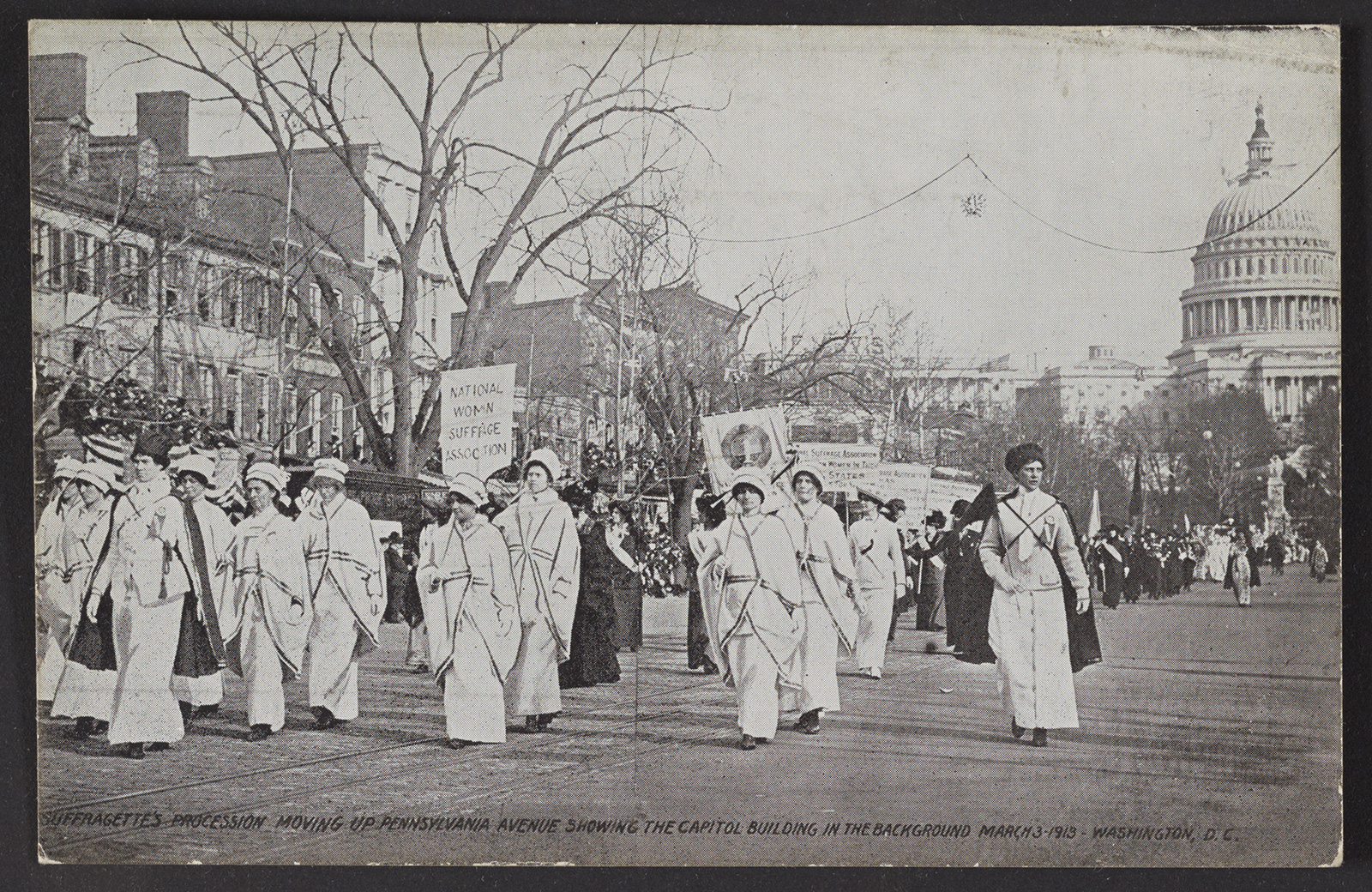
The Woman Suffrage Procession, Washington D.C.
Library of Congress
On March 3, 1913 — the day before Woodrow Wilson's inauguration — approximately 8,000 women marched down Pennsylvania Avenue in the first large-scale organized march on Washington. Led by Inez Milholland on a white horse, the procession was organized by Alice Paul and the National American Woman Suffrage Association. Spectators attacked marchers while police stood by; the resulting scandal brought national attention to the suffrage cause. Seven years later, the 19th Amendment was ratified.
"We are marching in a wake-up call — a call to the conscience of this country." — Suffrage march organizers, 1913
Suffragette Parades and State Campaigns
Library of Congress
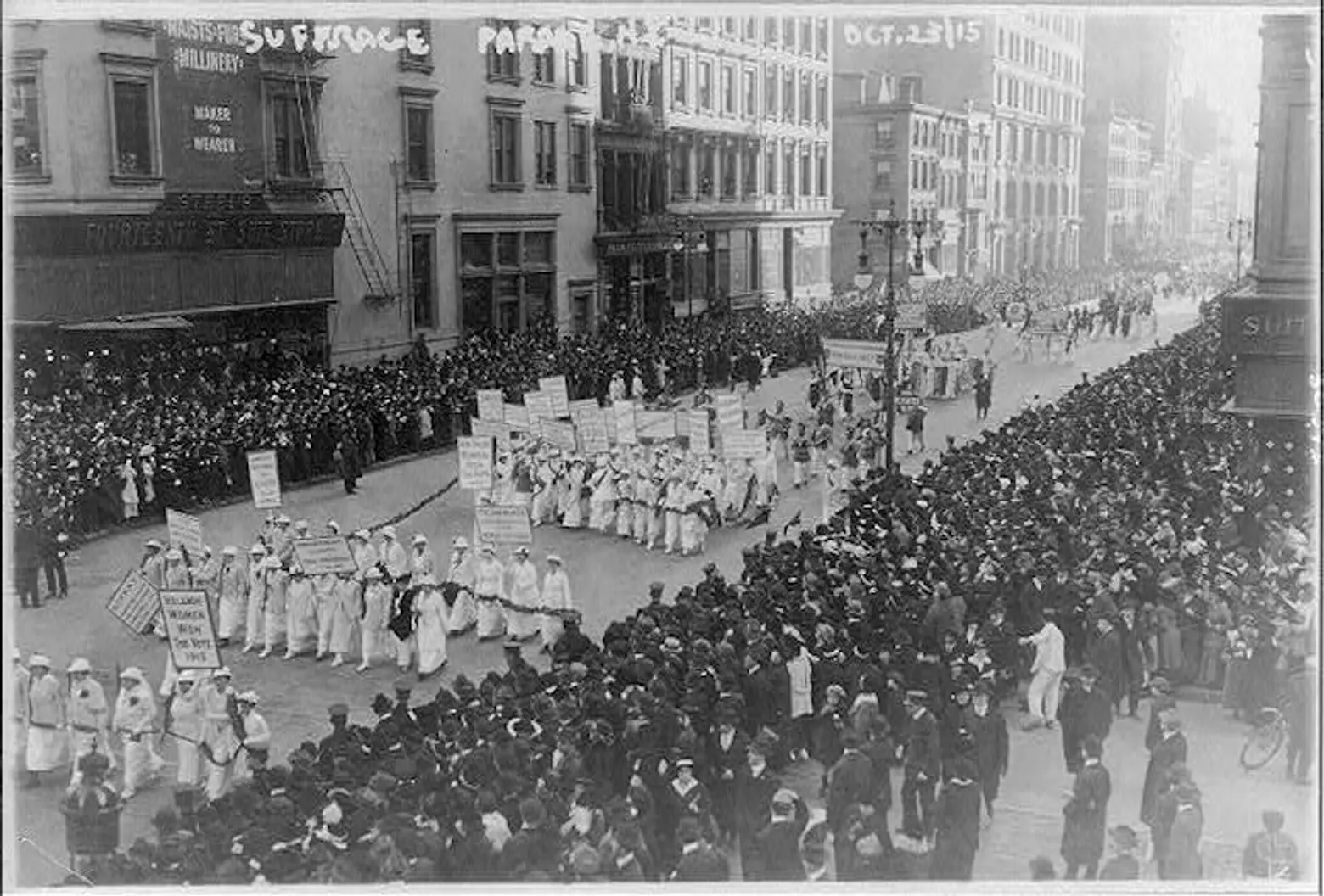
The national march was part of a broader era of suffragette street action. In New York City, annual suffrage parades down Fifth Avenue drew tens of thousands of participants and spectators from 1910 through 1917. These parades were deliberately theatrical: women marched in white, carried banners in suffrage colors (purple, white, and gold), and organized themselves by profession — nurses, teachers, factory workers — to demonstrate that all women deserved the vote. The parade format was a strategic choice: it was visible, it was public, and it was impossible to ignore.
The Montgomery Bus Boycott
National Museum of African American History & Culture
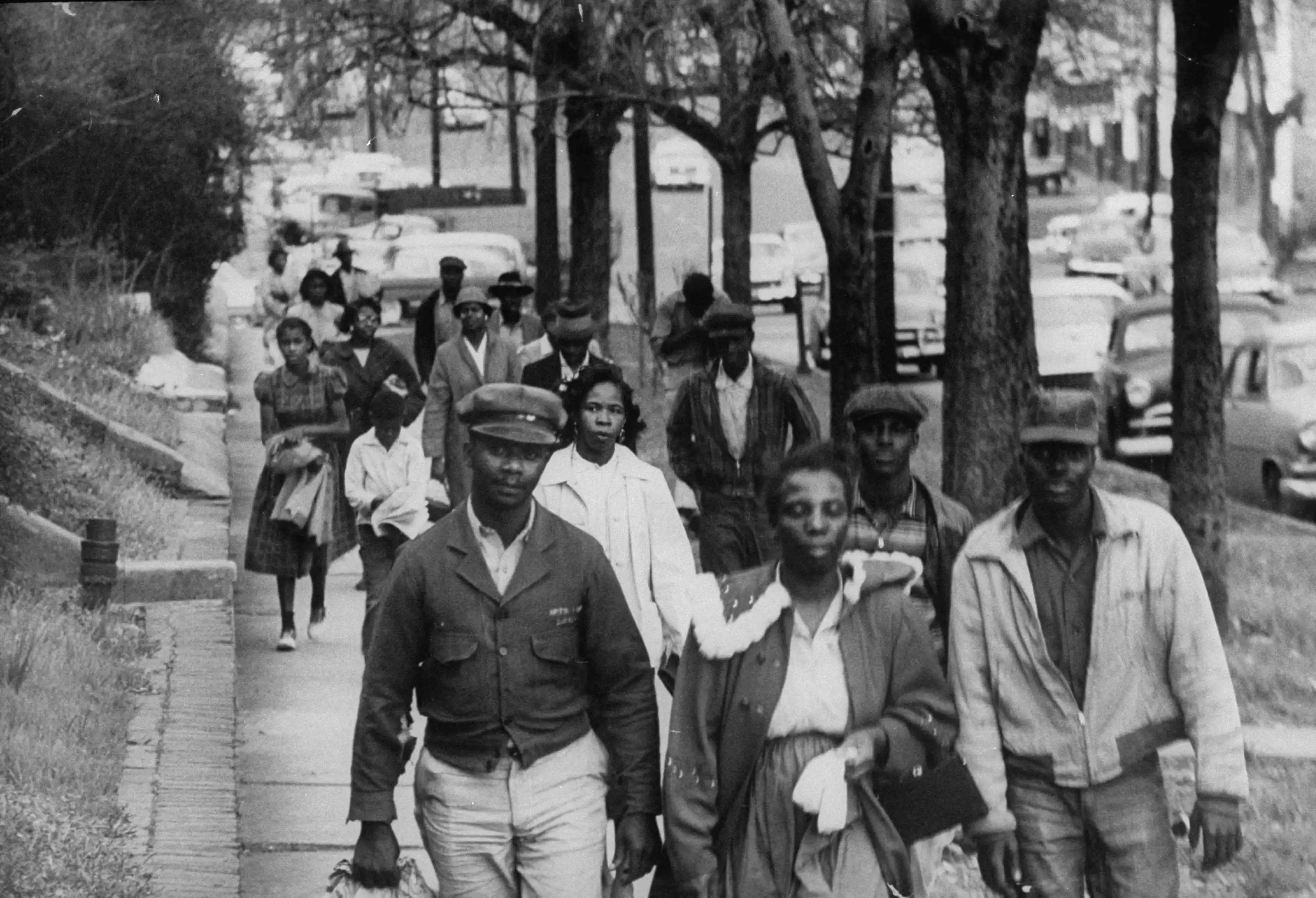
For 381 days, Black residents of Montgomery, Alabama refused to ride the city's segregated bus system — walking miles to work, carpooling, and organizing an alternative transportation network. The boycott began after Rosa Parks was arrested for refusing to give up her seat on December 1, 1955. It was organized by the Montgomery Improvement Association and a young pastor named Martin Luther King Jr. The Supreme Court ultimately ruled bus segregation unconstitutional. The boycott proved that organized non-violent action — including the simple act of choosing to walk — could dismantle unjust systems.
Selma to Montgomery Marches
Library of Congress
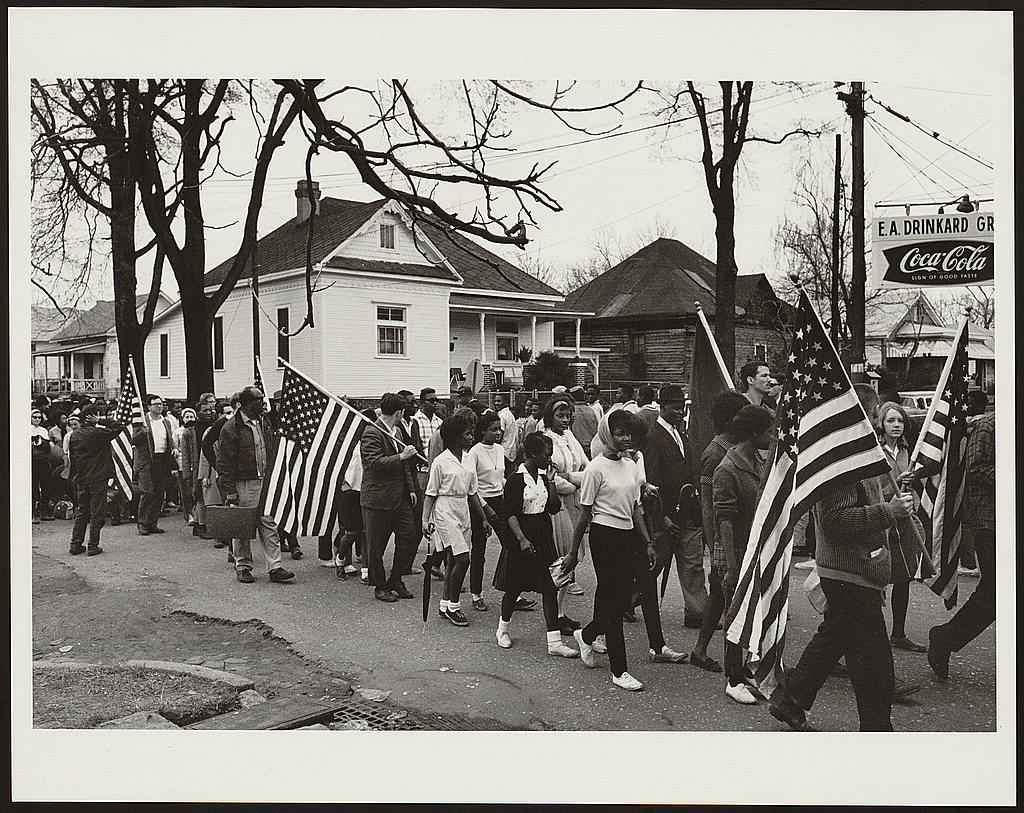
Three marches attempted the 54-mile route from Selma, Alabama to the state capital in Montgomery, demanding the protection of Black voting rights. The first attempt, on March 7, 1965 — later known as "Bloody Sunday" — ended at the Edmund Pettus Bridge when state troopers attacked peaceful marchers with clubs and tear gas. The images broadcast around the country shocked the nation. A second march turned back. The third, on March 21–25, succeeded: 25,000 people completed the journey under federal protection. President Lyndon B. Johnson signed the Voting Rights Act into law that August.
"We are not about to turn around. We are on the move now. Yes, we are on the move and no wave of racism can stop us." — Dr. Martin Luther King Jr., at the conclusion of the Selma to Montgomery march, 1965
The March on Washington for Jobs and Freedom
On August 28, 1963, approximately 250,000 people gathered at the National Mall in Washington, D.C. in one of the largest political rallies in American history. Organized by civil rights, labor, and religious leaders, the march called for civil and economic rights for Black Americans. It was at this march, on the steps of the Lincoln Memorial, that Dr. Martin Luther King Jr. delivered his "I Have a Dream" speech. The march helped build momentum for the Civil Rights Act of 1964.
The Million Man March
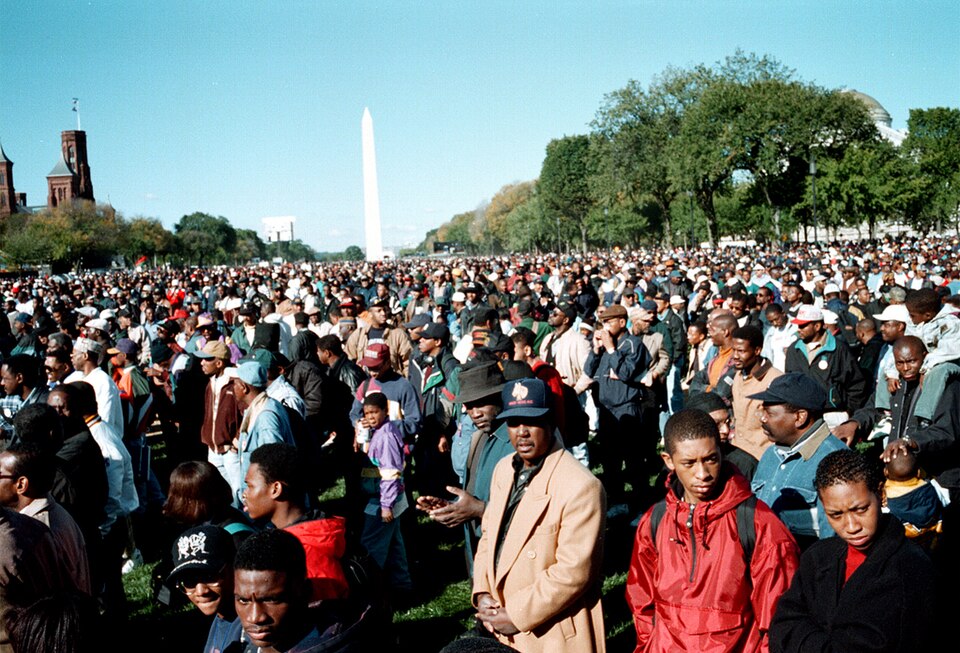
Photo by Yoke Mc / Joacim Osterstam
On October 16, 1995, an estimated 400,000 to one million Black men gathered on the National Mall in Washington, D.C. in a day of unity, atonement, and political engagement. Organized by Nation of Islam leader Louis Farrakhan and supported by a broad coalition of Black community organizations, the march called for Black men to take responsibility for their families and communities and to register to vote. It was one of the largest gatherings in Washington's history and inspired follow-up marches — including the Million Woman March in 1997 and the Million Youth March in 1998.
"Walk to the Polls" at the University of Michigan
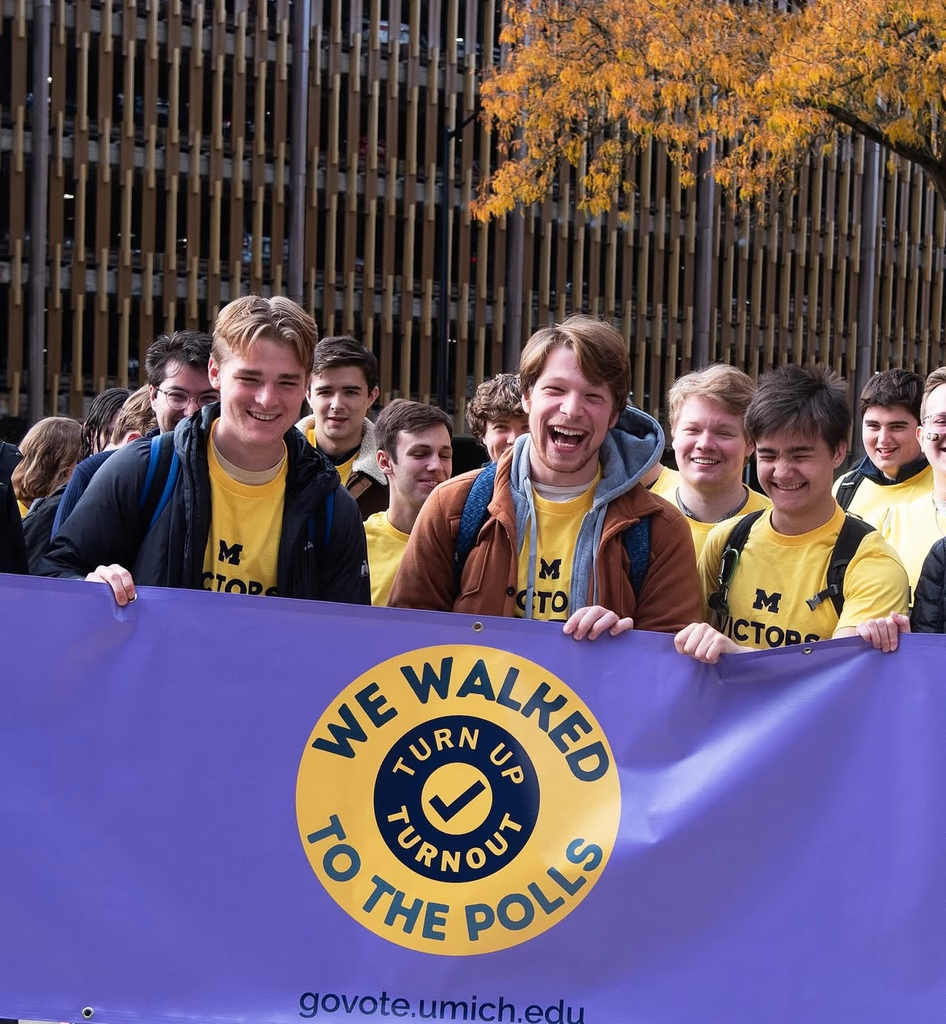
Turn Up Turnout, University of Michigan
Organized by student group Turn Up Turnout in collaboration with the Creative Campus Voting Project (Stamps School of Art & Design) and the Ann Arbor City Clerk's Office, "Walk to the Polls" brings U-M students and faculty together ahead of elections. In 2024, participants gathered at Haven Hall over cider and donuts to register before walking across the street en masse to cast early ballots at the University of Michigan Museum of Art (UMMA) polling station. Designed to make voting accessible, the initiative demonstrates how simple, communal acts can lower barriers and turn civic duty into a joyful campus tradition.
Why Walk Cycles?
The walk cycle is a loop — endlessly repeating, going nowhere on its own. But put a character in motion and give them a destination, and everything changes.
Walk Cycle to the Polls draws a direct line between these two kinds of walking: the animator's walk cycle and the marcher's walk forward. Both are acts of belief — the belief that motion matters, that showing up matters, that the act of moving your body through space can change something. The characters you animate in this project carry that history with every step.